Art & Dance Therapies
Art and dance therapy offer a way to access dreams, creating a space for psychological respite and fostering a unique journey.
Fabio and Antonino, both RNCP-certified, offer both Art Therapy and Dance Therapy sessions, as they are trained in both disciplines.
The only difference between the two is the medium used. This will be chosen based on each individual’s desire to embark on a therapeutic journey through the arts.
Art or dance therapy offers a way to pave the way to dreams, opening a space for psychic breathing to promote a unique creative journey, for well-being.
Contemporary Art Therapy (©CAT)
Contemporary Art Therapy (CAT) offers a space where people can discover themselves through their creativity, exploring dimensions of themselves that go beyond the limits of words.
You don’t need to master or know of any particular techniques, whatever art form is involved in the therapeutic process.
It is a complementary care technique, prescribed by doctors, which can be considered as part of a multidisciplinary follow-up within an institution or privately.
It is not to be confused with artistic workshops, since it has a therapeutic aim and is followed up by the subjects who enter this care programme. Art workshops remain a complementary tool, like any other discipline.
Contemporary art therapy do not promote productions and operates free from injunctions to do absolutely something, opening up an ephemeral space that remains a guarantee of the patient’s safety, in order to allow what they manifest in the session, in complete intimacy.
It does not operate for the well-being of the subject, but for a better-being, by encouraging a better way of living with their suffering.
Contemporary dance therapy (©DTC)
Therapy through the arts is about being in movement;
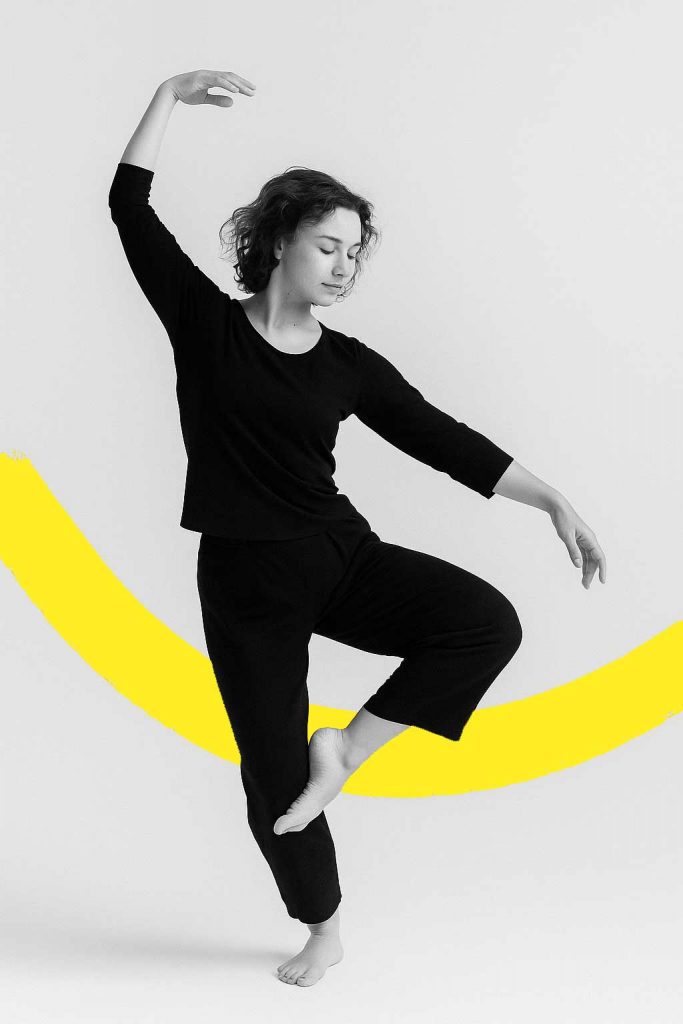
Dance therapy operates with the same characteristics as art therapy, using movement as its medium.
You don’t need to know how to dance; it’s simply an invitation to movement, to express yourself, to poetise.
From movement to thought, from thought to movement, to thought in movement. Just because the term “dance therapy” includes the word “dance” does not mean that dance is all-important. In fact, not dancing does not mean not being in movement.
Dance therapy could be defined as “poetic movement”, which could be explained as a place, a space of expression towards a transition to art.
The relationship with space, with oneself, with one’s own body and with others, is a unique path, even within a group.
The therapeutic framework allows time to be suspended for oneself.
This way of putting yourself into play can help you to tackle the suffering that prevents you from doing better and to reconnect with your own desire, but only if you are willing to discover yourself through this form of therapy.
Art therapy is for everyone, whatever their age, whatever their problems or pathologies.
As a result, art therapy is just as suitable for:
- People in good health who want to get to know themselves better by exploring their creativity.
- A person experiencing temporary psychological problems as a result of an event that affects them personally (a death, divorce, etc.).
- A person with a somatic, psychosomatic or mental pathology (with a medical prescription).
The three areas of intervention for art therapy and/or dance therapy.
- For prevention: Implementation of mandatory art/dance therapy support at the request of a third party (legal authority, doctor, etc.).
- For treatment: Implementation of art/dance therapy support following a specific request to overcome difficulties related to a specific event.
- For well-being: Implementation of art/dance therapy support following a specific request: to feel better!

A range of issues can be addressed:
- addiction,
- depression,
- difficulties with relationships, emotions, communication or expression (which can cause social distress),
- phobias,
- anxiety,
- emotional loss,
- post-traumatic stress,
- as well as psychiatric disorders,
- psychosomatic illnesses,
- neurogenerative diseases, etc.
Consultations are by appointment: children, adolescents, adults and the elderly.
This form of therapy can be carried out on an individual, group or family basis.
Online session: €50
Session at home: €70
In-patient session: €70
Payment will be made at the end of the session.
Some health insurance companies reimburse sessions for alternative medicine consultations.
Fill the form below.
We will contact you as soon as possible.